





💡 Understanding Gray Level, Grayscale, and Refresh Rate in LED Displays

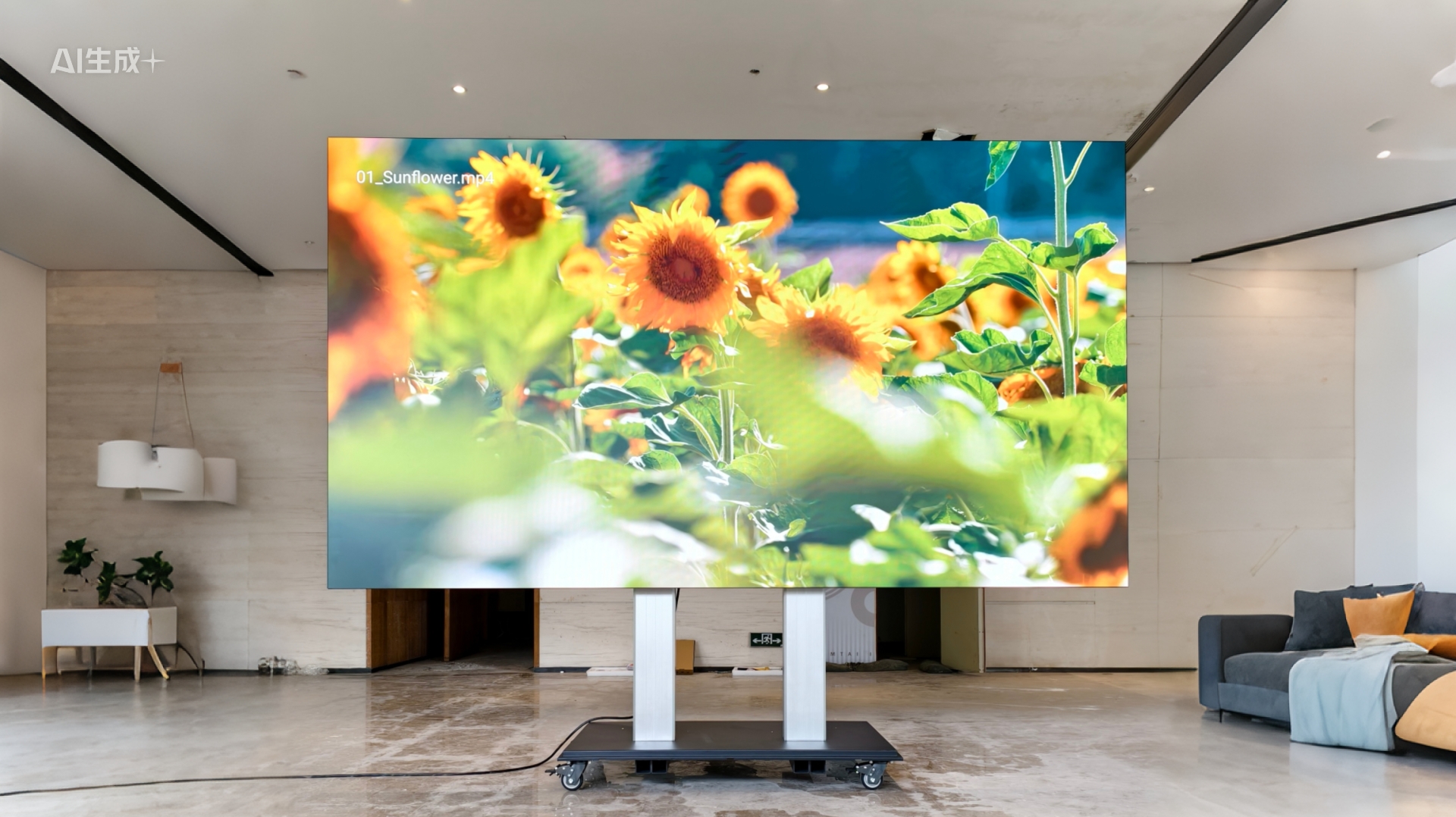
When people talk about LED display performance, you often hear terms like gray level, grayscale, and refresh rate.
They sound similar — but each plays a different and important role in how your LED screen actually looks. 👇
🎨 1️⃣ Gray Level – Theoretical Brightness Steps
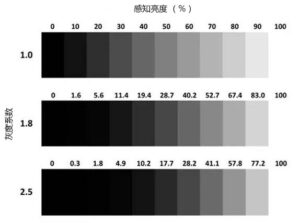
Gray level refers to how many levels of brightness each pixel can produce.
For example:
-
8-bit = 256 levels
-
10-bit = 1024 levels
-
14-bit = 16,384 levels
A higher gray level means smoother color transitions and richer image depth.
👉 Think of it as the potential color capability of the LED display.
🧩 2️⃣ Grayscale – The Real Performance
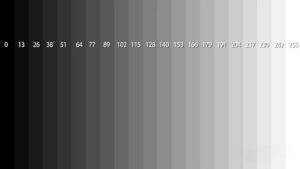
Grayscale represents the actual brightness levels the screen can display, determined by the LED driver IC, control system, and data bandwidth.
Even if a driver supports 16-bit gray level, the effective grayscale may be lower due to system limitations.
👉 It affects how well you can see details in dark areas and how natural the colors appear.
🔄 3️⃣ Refresh Rate – Stability and Flicker Control
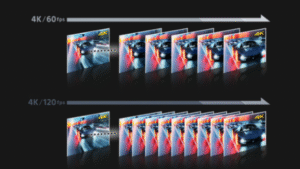
The refresh rate is how many times per second the display updates the image, measured in Hertz (Hz).
Common values:
-
1920Hz — entry-level
-
3840Hz — standard for professional use
-
7680Hz — ultra-high for broadcasting or XR filming
Higher refresh rate = no visible flicker, better camera performance, and a more comfortable viewing experience.
⚙️ Summary Table
TermGray LevelGrayscaleRefresh Rate |
What It MeansTheoretical brightness stepsActual visible brightness levelsImage redraws per second |
Key EffectColor depthContrast & detailFlicker-free image |
Typical Values8–16 bitDepends on IC/control system1920–7680Hz |
|---|
✅ In Short
Gray Level = Potential
Grayscale = Reality
Refresh Rate = Stability
Together, these three factors define the true image quality of any LED display.
💬 Want to know which specs matter most for your project?
Let’s discuss your LED display requirements — I’d be happy to share professional advice.
📩 Teddy Lee
15+ Years in Custom LED Display Solutions
📧 teddy@ocolour.com
📲 WhatsApp: +86 138 2327 6564
🌐 www.ocolour.com
I agree with your details , excellent post.
This clarifies a lot of my confusion on the topic.
Really clean site, regards for this post.
Oh my goodness! an incredible article dude. Thanks Nonetheless I’m experiencing issue with ur rss . Don’t know why Unable to subscribe to it. Is there anybody getting identical rss downside? Anybody who knows kindly respond. Thnkx
?Necesitas mudarte? https://trasladoavalencia.es ?Necesitas una mudanza rapida, segura y sin complicaciones en Valencia? Ofrecemos servicios profesionales de transporte y mudanzas para particulares y empresas. ?Solicita un presupuesto gratuito y disfruta de nuestro servicio de calidad!