





LED Transparent Display Screen -Unlocking Visibility and Creativity Indoors

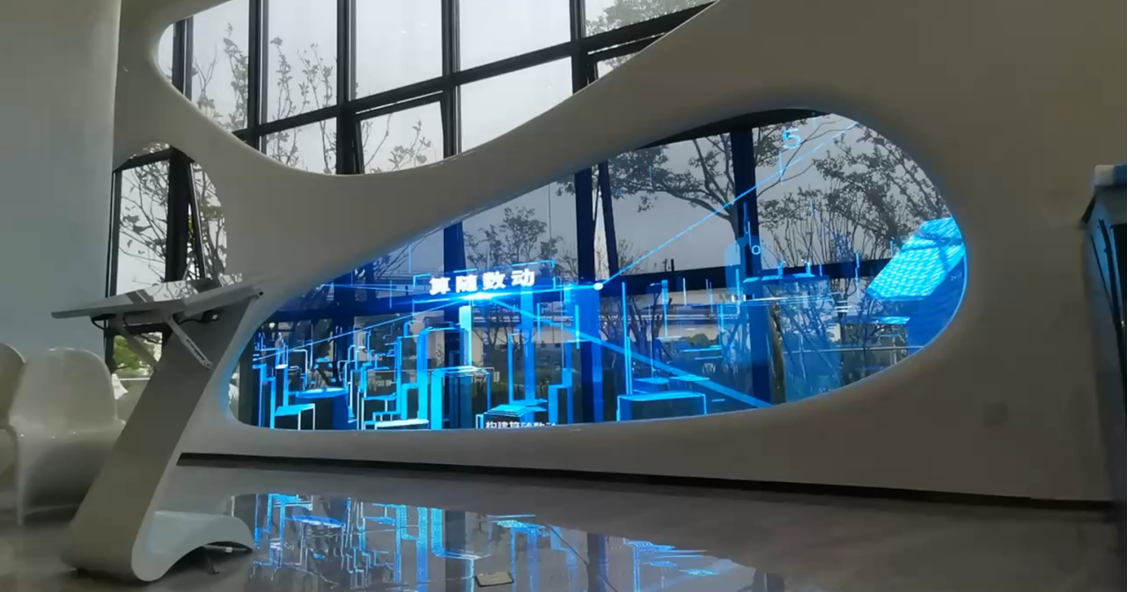
With the growing popularity and acceptance of LED transparent displays, more and more businesses are being drawn to their unique transparency and futuristic design. Among all LED display types, the transparent LED screen consistently receives the highest inquiry rate — it fascinates customers with its elegant, almost invisible presence.
But what exactly is an LED transparent display? What kinds are available? And how can you choose the one that best fits your project? Let’s take a closer look. (This guide focuses on indoor transparent LED screens.)
What Is an LED Transparent Display Screen?
An LED transparent display is a new generation of LED display technology that combines lightweight structure, high transparency, and stunning visual impact. By playing video content that interacts with its surroundings, it creates a vivid, see-through visual effect that captures attention without blocking the view.
These screens are widely used in glass curtain walls, storefront windows, shopping malls, and showrooms, blending architecture and media perfectly.
Main Types of LED Transparent Displays
1️⃣ Standard LED Transparent Screen
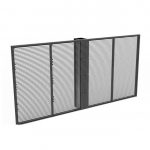
The standard LED transparent screen adopts a strip-light bar design — similar to window blinds — to achieve a semi-transparent visual effect. Common pixel pitches include P2.6–5.2 and P3.9–7.8, with standard sizes like 500×1000mm, 500×500mm, and 1000×1000mm.
It offers about 65% transparency, supports custom curvature, and comes in fixed installation or rental-friendly versions. This type remains the most cost-effective and stable choice in the market, making it ideal for most indoor commercial applications.

2️⃣ LED Transparent Film Screen
The LED film display (also known as LED transparent adhesive screen) represents a major leap in transparent display design. It uses a transparent optical film substrate etched with fine conductive circuits, and LED components are encapsulated with vacuum glue technology.
Key advantages include:
- Ultra-thin and ultra-light (≤2.1mm thickness)
- High transparency up to 85%, maintaining glass brightness and openness
- Flexible, bendable, and cuttable, ideal for curved or creative surfaces
- Nearly invisible LEDs from a distance
With pixel pitches ranging from P3 to P30, it is the preferred option for luxury retail windows, art galleries, and architectural glass displays where elegance and minimalism are priorities.

3️⃣ Holographic LED Display Screen
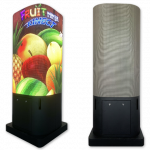
The holographic LED display features a mesh-structured LED module, allowing light to pass through freely. It stands out for being ultra-light, ultra-transparent, and extremely high in contrast and clarity.
Without a PC substrate, it offers better heat dissipation and higher structural reliability. Both front and back sides are clean — only the LEDs are visible — making it aesthetically sleek. P3.9 and 6.25 are popular among the market. Like film screens, it is bendable and cuttable, offering excellent flexibility for creative installations.

How to Choose the Right LED Transparent Display
✅ For High-End or Design-Driven Projects:
If your project requires an ultra-thin installation that can be pasted onto glass, turning a window into a stunning display for luxury stores, flagship showrooms, or corporate lobbies where design and visibility matter, then the LED film display or the holographic LED display is your go-to choice.
Comparison:
- Visual quality: The holographic screen delivers higher contrast, better color reproduction, and sharper images.
- Stability: The mesh design of holographic displays ensures better heat dissipation and lower failure rates.
- Maintenance: The holographic LED allows single LED repair, while the film type is fully encapsulated, making repairs more complex.
✅ For Cost-Effective and Versatile Installations:
The standard indoor LED transparent screen is your best option. It’s affordable, proven, and easy to install — whether hanging, standing, or embedded. However, it does require more installation space (due to the supporting frame) and offers lower transparency compared to the film or holographic types.
Final Thoughts
Choosing the right LED transparent display depends on several key factors:
- Installation space and environment
- Mounting method (glass surface or structural frame)
- Budget and visual expectations
- Maintenance needs
By aligning your requirements with the right display type, you can achieve the perfect balance between visual appeal, functionality, and cost-efficiency.
As transparent display technology continues to evolve, LED transparent displays will play an even greater role in commercial display, retail branding, and architectural aesthetics — turning any glass surface into a captivating digital canvas.
The moment I see a transparent LED film display, it reminds me of an American client from 8 years ago. After watching a video of this display, he said he wanted to buy it for the kindergarten where his daughter was studying—so that it could play content of the underwater world with such holographic display effects.
Allowing kindergarten children to see a vivid underwater world without leaving the campus—this is the charm of the holographic LED mesh display.