







COB vs. GOB: A Deep Dive into Core Technology Differences in Small-Pitch LED Displays

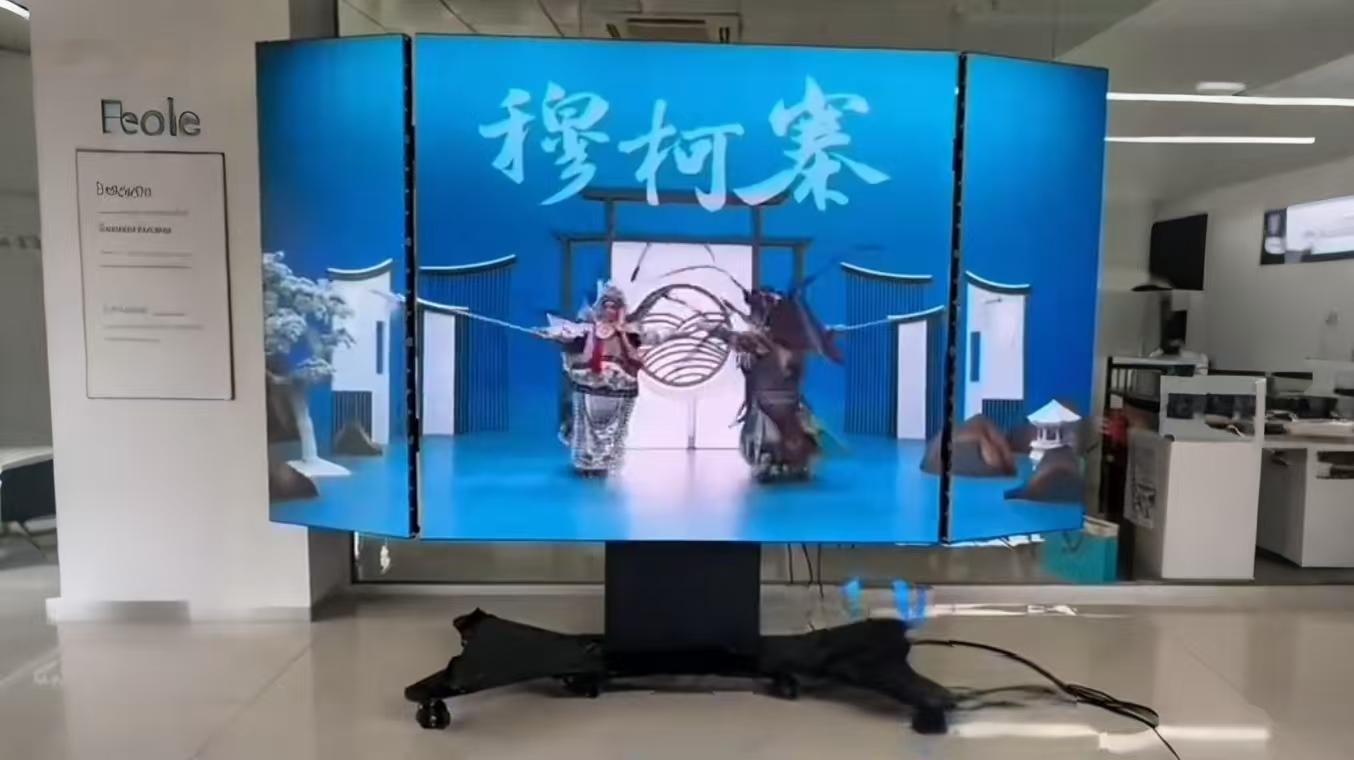
As small-pitch LED display technology evolves rapidly, COB (Chip on Board) and GOB (Glue on Board) have emerged as two mainstream packaging solutions, often compared by industry professionals. Recently, many colleagues have reached out via private messages to inquire about their core differences. Today, we will systematically sort out these differences from the perspectives of technical principles, performance characteristics, and application scenarios.
GOB Technology: A Performance Upgrade for SMD Modules
GOB is not a brand-new technology independent of SMD (Surface Mount Device), but an optimized upgrade based on finished SMD modules. Its core process involves potting the surface of SMD modules to form a smooth protective coating.
This process improvement brings two key advantages: first, it significantly enhances the waterproof and moisture-proof performance of modules, expanding their application scope in outdoor and humid environments; second, it effectively solves the problem of SMD lamp beads falling off due to vibration and collision, extending the service life of displays. For projects requiring basic protection upgrades with relatively limited budgets, GOB is a cost-effective choice.
COB Technology: An Innovative Path to Restructure LED Packaging
Unlike SMD and GOB technologies, COB adopts an entirely different packaging logic, with its core breakthrough being the elimination of the independent packaging process for individual lamp beads. COB technology directly mounts and packages red, green, and blue light-emitting chips onto PCB boards as a whole to form integrated display modules.
From a supply chain perspective, COB simplifies the production process: after obtaining chips directly from light-emitting chip manufacturers such as Huacan and San’an, finished modules are produced directly without going through traditional lamp bead packaging factories like Nationstar and Kinglight. This not only shortens the production cycle but also reduces cost losses in intermediate links.
Core Performance Comparison: COB’s Differentiated Competitive Advantages
Compared with GOB, COB technology demonstrates more prominent performance advantages in multiple aspects:
• Superior surface characteristics: The smooth surface formed by integral packaging is not only easy to clean and maintain but also has stronger anti-collision capabilities.
• Comprehensive protection performance: It excels in waterproof and moisture-proof properties, adapting to harsher operating environments.
• Excellent adaptability to small-pitch scenarios: In applications with pixel pitches of 1.25mm and below (such as 0.9375mm, 0.78mm, and 0.625mm), COB technology effectively reduces the number of welding points for individual lamp beads, significantly improving module yield while offering better consistency and delicacy in display effects.
• Significant cost-performance advantage: Especially in high-density small-pitch projects, COB’s cost control capabilities and performance make it highly competitive in the market.
Summary and Outlook
GOB technology provides basic protection upgrades for SMD modules through potting, making it suitable for scenarios with moderate performance requirements. In contrast, COB technology achieves dual breakthroughs in performance and cost-effectiveness in the small-pitch field by restructuring the packaging logic, becoming the core choice for high-end small-pitch LED displays.
With the continuous development of Mini/Micro LED technology, both COB and GOB will undergo constant iteration and upgrading. We welcome industry peers to share your application experiences in the comment section and jointly explore the development trends of small-pitch LED technology!